A Quiet Guide to Visiting a Botanical Garden
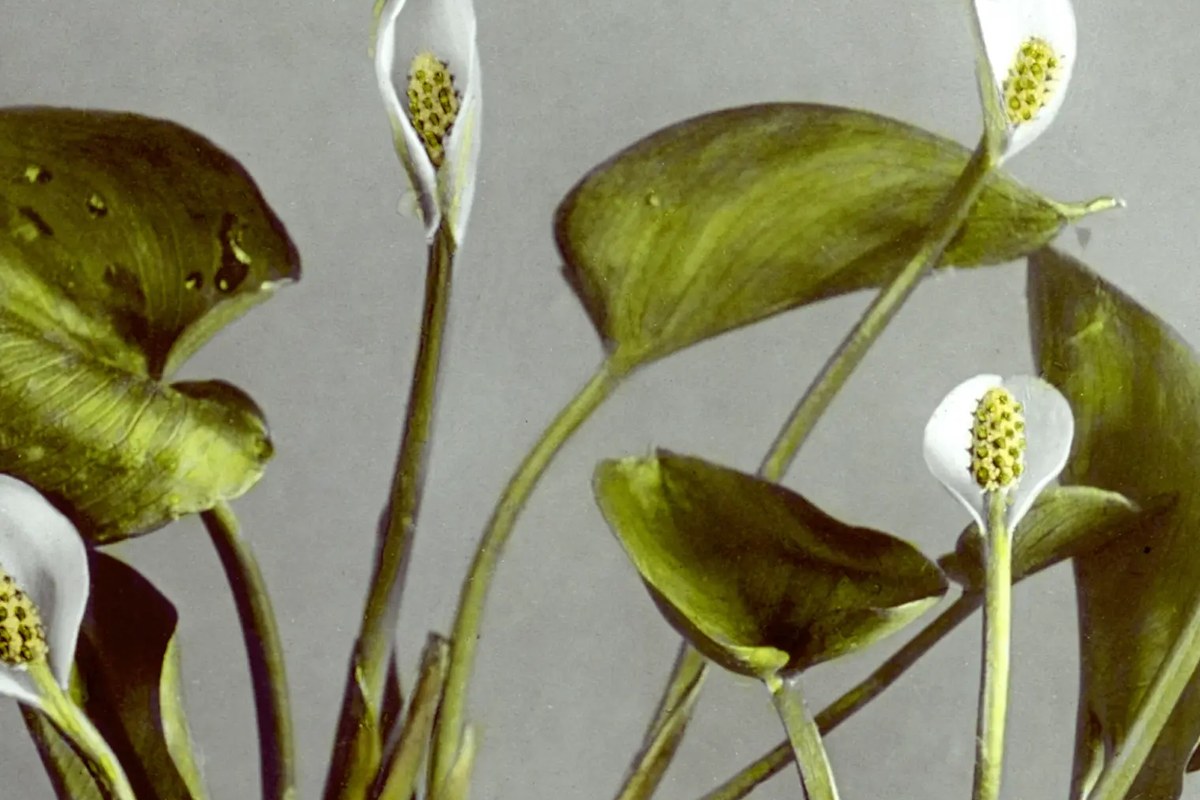
A botanical garden can feel like a destination and a neighborhood park at the same time. There is enough variety to fill an afternoon, but the best visits rarely depend on covering every path. A little structure leaves more room for curiosity.
Arrive with one loose idea
Before you go, check the garden map and choose a single area that interests you: alpine plants, glasshouses, native species, a rose collection, or simply the oldest trees on the grounds. Treat everything else as a bonus. This keeps the visit from turning into a checklist.
Morning often brings softer light and quieter paths, while late afternoon can make leaves, grasses, and glasshouse structures especially photogenic. If the forecast is warm, build in a shaded stop rather than rushing between sections.
Look at transitions, not only showpieces
It is easy to head straight for the largest blooms, but some of the most memorable details sit between headline displays: seed heads, bark, moss, labels explaining a plant’s origin, or the change in temperature when you step into a greenhouse. Pause at the edges of beds and notice how planting combinations change from one path to the next.
A small notebook helps if you enjoy gardening at home. Instead of copying long plant lists, write down two or three combinations of color, texture, or height that caught your attention.
Leave room for a second lap
Rather than trying to see everything once, save twenty minutes to return to one favorite spot. Gardens change with the light and with your pace. Sitting still for a few minutes often reveals more than another hurried circuit.
The goal is not to become an expert in an afternoon. A good botanical-garden visit is simply a chance to look closely, learn a few names, and leave with a sharper sense of the season.