What Makes a Small Museum Worth an Afternoon
Large museums are built for abundance; small museums are often built around a point of view. That difference can make a two-hour visit feel more coherent than a full day spent moving between enormous galleries.
Start with the museum’s premise
Before entering, read the short description of the collection. Is it centered on one artist, a local industry, a neighborhood, a period of design, or the history of a particular building? Knowing the premise helps ordinary objects make more sense once you see them in context.
Do not worry about beginning in the ‘correct’ room. Small institutions often work well in either direction, and following your interest can be more rewarding than following numbered signs.
Pay attention to the building
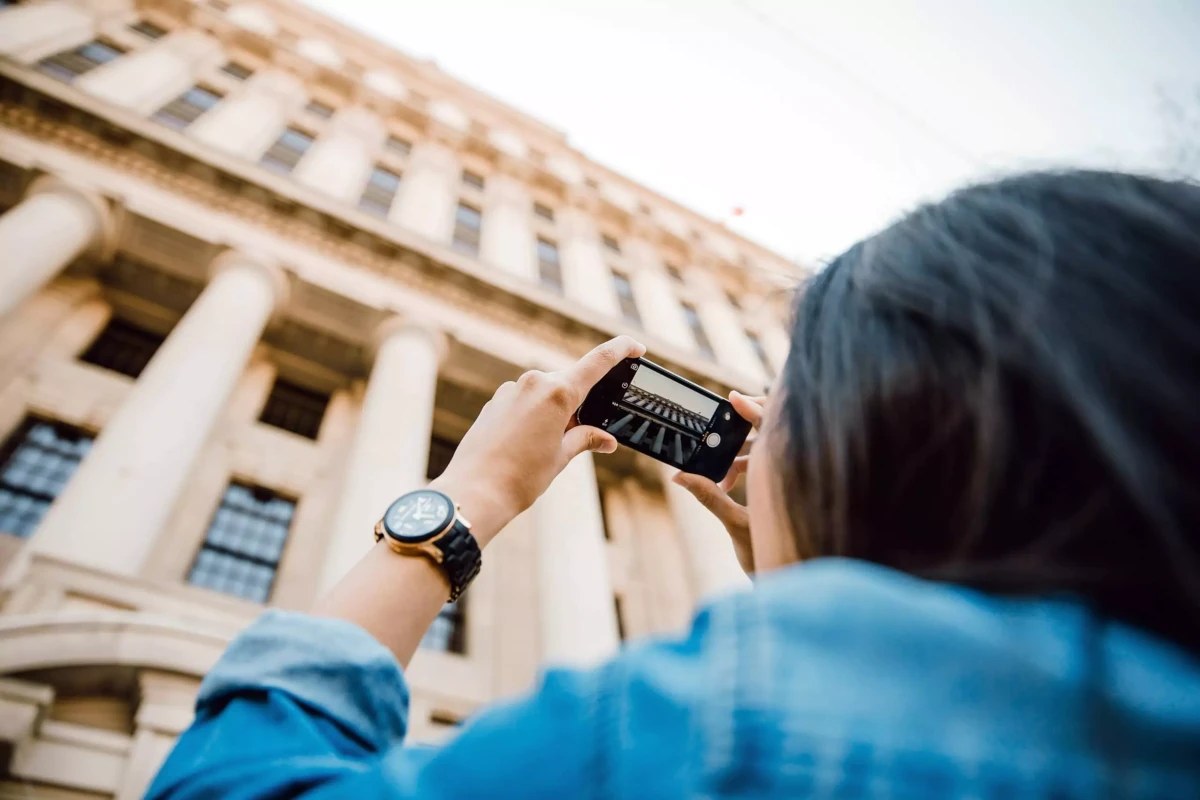
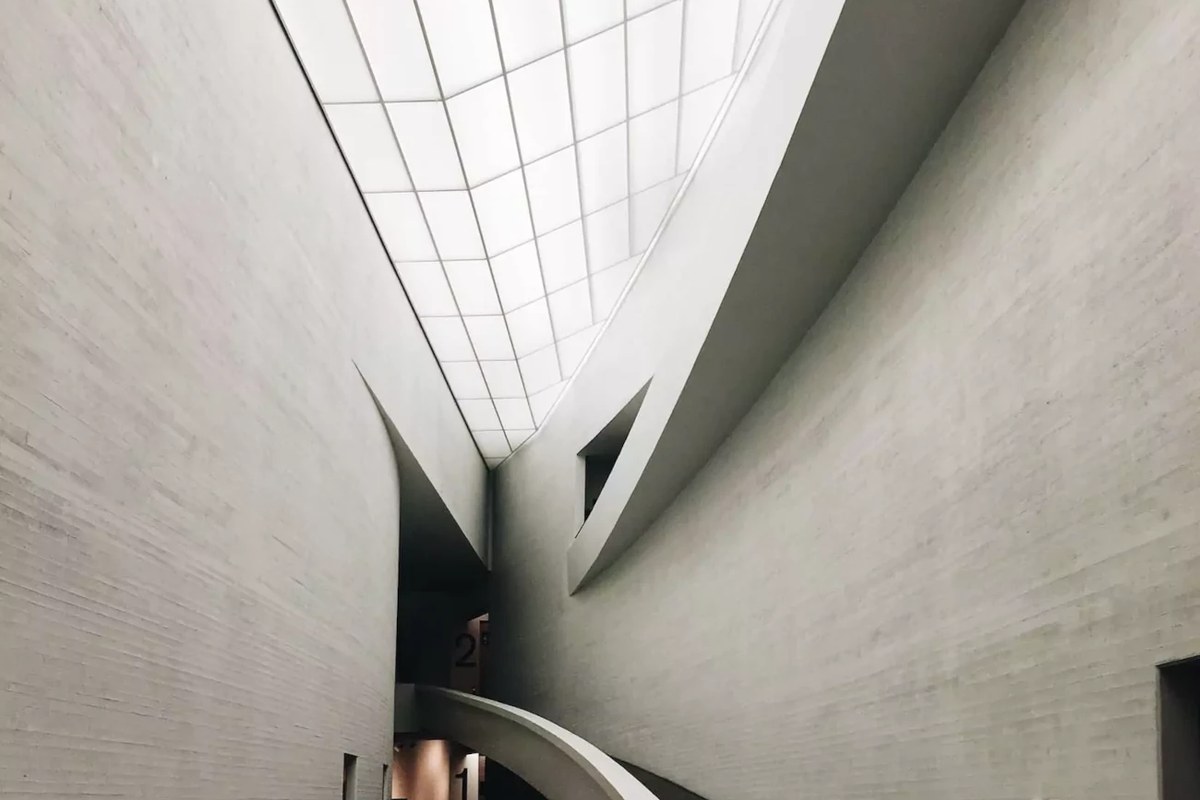
Many small museums occupy former houses, workshops, schools, or civic buildings. Look at the windows, stairs, proportions, and traces of earlier use. Sometimes the setting explains the collection as much as the labels do.
Read selectively
You do not need to read every wall text. Choose a few objects that genuinely catch your eye and give them more time. Read their labels, step back, look again, and notice what changed once you had some context.
A cafe or bench at the end of the visit can be part of the experience rather than an afterthought. Take ten minutes to recall three things you would describe to someone else. Those are usually the pieces that will stay with you.
The value of a small museum is not measured by the number of rooms. Its strength is concentration: a manageable collection, a clear story, and enough quiet to notice details.