The Place Portrait: A Six-Step Field Method to Notice Seasonal Character

Making a compact, repeatable “place portrait” is a practical way to learn the character of a spot across seasons. The method below is designed to be completed in 10–25 minutes with minimal gear: a small notebook, a pen, and optionally a camera or voice recorder. Treat it as a field experiment—clear steps to focus attention, then variations to suit your interests.
Step-by-Step Method
-
Prepare (1–2 minutes)
Choose a small area you can revisit: a bench, a corner of a garden, a street intersection, or a single tree and its immediate ground. Take a moment to set a timer if you want consistent sessions. Make sure you have your notebook and something to mark time or take a quick photo.
-
Frame the Place (1–3 minutes)
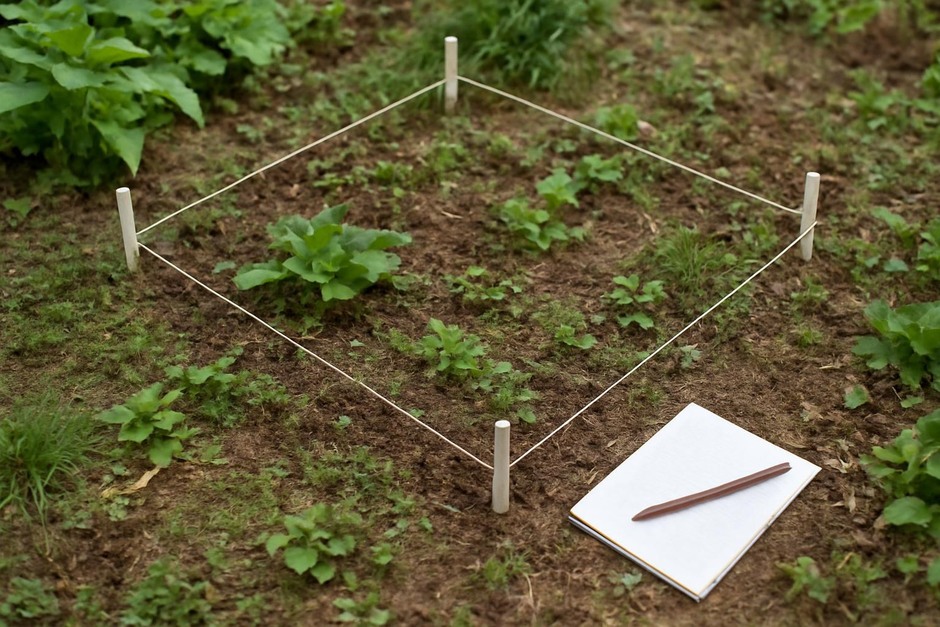
Stand at the edge of your chosen patch and find a frame—literal or mental. Identify the boundaries (a tree trunk, a fence post, a path) and decide whether your portrait will be vertical or horizontal. Note the dominant materials: soil, paving, grass, shrubs, built surfaces.
-
Observe Systematically (3–6 minutes)
Use quick prompts to structure observation: what’s moving, what’s still, what’s tallest, what’s smallest, what’s most colorful, what smells, what sound is present. Scan clockwise and jot one word or short phrase for each prompt. This trains your attention to multiple layers—vegetation, animal life, human traces, microclimate.
-
Sit and Listen (3–6 minutes)
Find a place to sit or steady yourself. Close your eyes for one minute and note sounds and temperature changes. With eyes open, focus on a small detail—lichen on a stone, a seed head, a water puddle—and describe it with sensory words. This slows perception and reveals subtle seasonal cues.
-
Record a Composite (2–6 minutes)
Make a compact record that mixes formats: a two-line sketch, a short list of five bullet observations, and one photograph or a one-minute voice note. Include the date, time, weather, and your position relative to the patch. The goal is a consistent set of anchors you can compare over time.
-
Close with a Question (30–60 seconds)
End by writing one short question to revisit on your next visit (example: “Why are the nettles denser on the north side?” or “Is this puddle permanent?”). That question becomes the thread for repeat visits and builds an informal research habit.
Variations
-
Seasonal Repeat
Return to the exact spot on a fixed schedule—weekly in spring, monthly otherwise. Keep the same framing and recording format to make comparisons simple. Over a year you’ll notice phenology and human use patterns.
-
Photo-First Portrait
If you prefer images, take three photos from the chosen vantage: one wide, one mid, one detail. Pair each set with a single-sentence caption noting a sensory or temporal detail you would have missed in a photo alone.
-
Sound-Focused
Spend your session recording sounds for two minutes and then listing the sources you can identify. This is especially useful at dawn or dusk when visual cues are limited but acoustic life is rich.
-
Collaborative Portrait
Invite a friend and each make an independent 10-minute portrait. Compare records afterward to surface differing priorities and discoveries—useful for learning how culture and habit shape observation.
Troubleshooting
-
Problem: I get distracted and spend the time on my phone.
Fix: Put the phone away or use it only as a short-timer or single-photo tool. Use a pocket notebook and a pencil—formats that discourage scrolling and encourage physical marking.
-
Problem: The place feels uninteresting or barren.
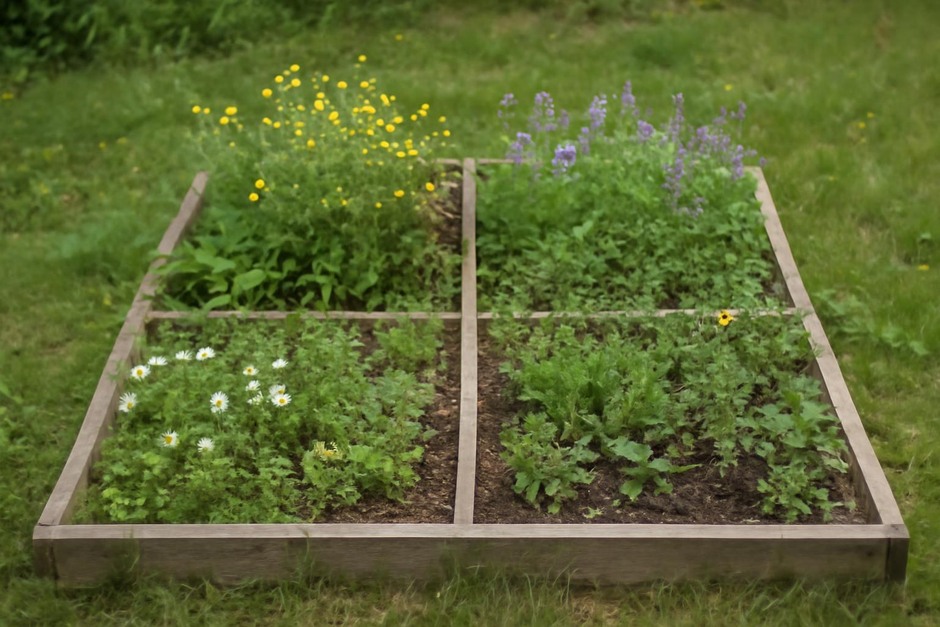
Fix: Narrow your focus. Instead of the whole patch, look at a single square of ground, one drain, or one fencepost. Barren places reveal texture, light shifts, and human traces when you slow down.
-
Problem: Too much to record in the time.
Fix: Simplify your protocol. Choose three anchors—sound, color, and one dominant species—and ignore the rest. You can expand later once the habit is established.
-
Problem: Weather or access interrupts the routine.
Fix: Keep flexible substitute practices: if you cannot visit, examine a single photograph of the site and write what you’d expect to change since the last visit. Use the same closing question to maintain continuity.
Over time, these small, repeatable place portraits accumulate into a living record. The method is less about exhaustive data and more about training attention—learning to notice the seasonal notes that otherwise slip by.