Build a Pocket Field Notebook for Everyday Nature Observing
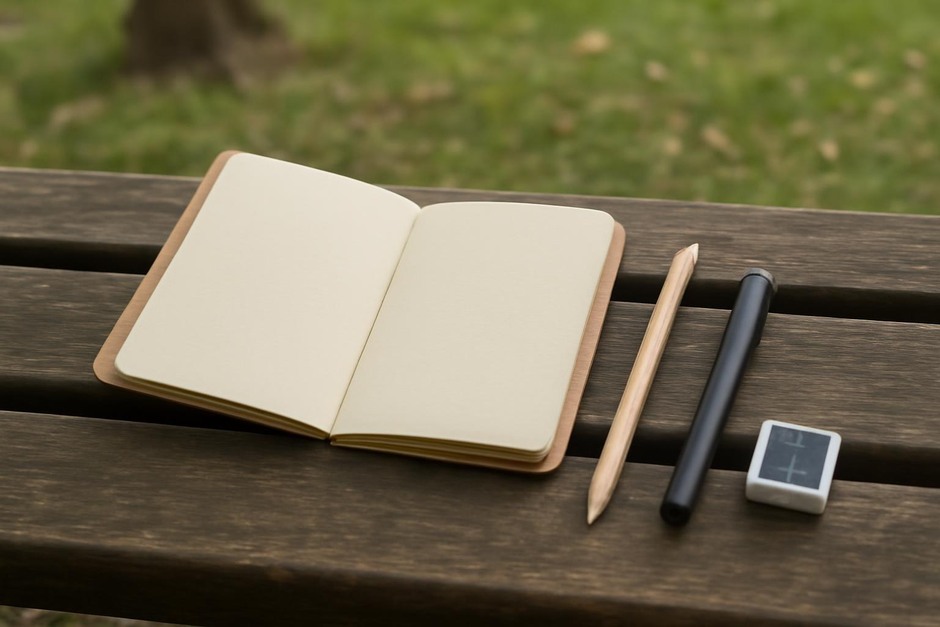
Step-by-step method: assemble a pocket field notebook
This step-by-step method focuses on material choices and simple construction so you can make a compact, durable notebook suited to short walks, park visits, and everyday nature noticing. Each step includes the main options and their trade-offs.
-
Choose the size
Pick a size you will actually carry. Common pockets: 3.5 x 5.5 in (pocket) or 5 x 8 in (small). Smaller is lighter and less intimidating; larger gives space for sketches and notes. Consider whether it fits a jacket pocket or a small bag.
-
Select paper weight and type
Options and trade-offs:
- Lightweight (60–80 gsm): very portable, many pages, but prone to bleed and buckling with wet media.
- Medium (90–140 gsm): good for pen, pencil, light watercolor washes; a balanced choice.
- Heavy (200+ gsm/mixed-media): supports water media and heavier erasing, but increases bulk and weight.
- Surface: smooth paper favors detailed pen work; toothy paper accepts dry media and light washes better.
-
Decide on binding
Simple bindings are robust and easy to make:
- Stapled (saddle-stitch): quick, lightweight, limited page count.
- Hand-stitched (pamphlet stitch): durable, lies flatter, moderate effort required.
- Spiral or ring-bound: allows pages to turn fully, but rings can catch in pockets; more weight.
-
Choose a cover material
Cover options affect protection and feel:
- Thick cardstock or bookboard: inexpensive, reasonable protection, light.
- Leather or waxed canvas: durable, weather-resistant with a worn-in aesthetic, heavier and more costly.
- Plastic or vinyl: highly weatherproof, easy to wipe clean, can feel utilitarian.
-
Add simple closures and pockets
Elastic bands, a small tuck pocket, or a folded rear pocket for loose specimens and receipts keep things tidy. An elastic closure is light and effective; a zippered pocket adds security but adds bulk.
-
Choose tools to carry
Limit your kit to essentials. Compare common choices:
- Pencil vs. pen: pencil is erasable and forgiving; archival pen is permanent and quick. Many prefer both.
- Portable watercolor set: adds color but requires heavier paper and time to dry.
- Foldable ruler or measuring tape: useful for scale; compact options are available.
- Magnifier or loupe: useful for close details, small and lightweight.
-
Assemble and personalise
Put the chosen paper into the cover and bind. Add a simple index page at the front (date, location, subject) and number pages if you like. Personal markings—color code tabs, a waterproof label—help retrieval.
Variations
Adjust the base method to suit specific interests and environments. Each variant emphasizes different trade-offs.
Lightweight urban nature notebook
- Size: pocket (3.5 x 5.5 in).
- Paper: medium-weight (90–120 gsm) for quick sketches and annotation.
- Cover: thin plastic or coated cardstock for easy cleaning.
- Tools: mechanical pencil, fine-liner pen, phone camera for reference.
Botanical sketchbook
- Size: 5 x 8 in or larger to capture details.
- Paper: 140–200 gsm, slightly textured for washes and colored pencil layering.
- Binding: stitched to lie flat during drawing.
- Tools: compact watercolor set, water brush, graphite pencils, small folding ruler.
Photography companion notebook
- Paper can be lighter since photos are primary; use it for quick notes: exposures, locations, subject IDs.
- Include an index to map page numbers to photo filenames or timestamps.
Troubleshooting and common fixes
Problems occur in the field. These solutions are simple and materials-focused.
Pages buckle when using water
- Fix: carry a small clipboard or a rigid backer to keep pages flat while painting. Choose heavier paper next time.
Ink bleeds or ghosts to the other side
- Fix: switch to archival or pigment-based pens designed for minimal bleed, or use a sheet of blotting paper between pages.
Cover wears out quickly
- Fix: reinforce with contact tape on corners or replace cardstock with a thin leather or waxed canvas cover for tougher use.
Pages rip or detach
- Fix: re-stitch with strong thread or use archival glue for small repairs; for ring-bound, replace rings with stronger ones if they spread.
Notes get disorganized
- Fix: keep a simple index and date each entry. If you prefer digital backup, photograph pages after each session and tag them consistently on your device.
Building a pocket field notebook is an exercise in balancing portability against the media you want to use. Start with a modest, well-chosen set of materials and evolve the kit as your habits and interests become clearer.