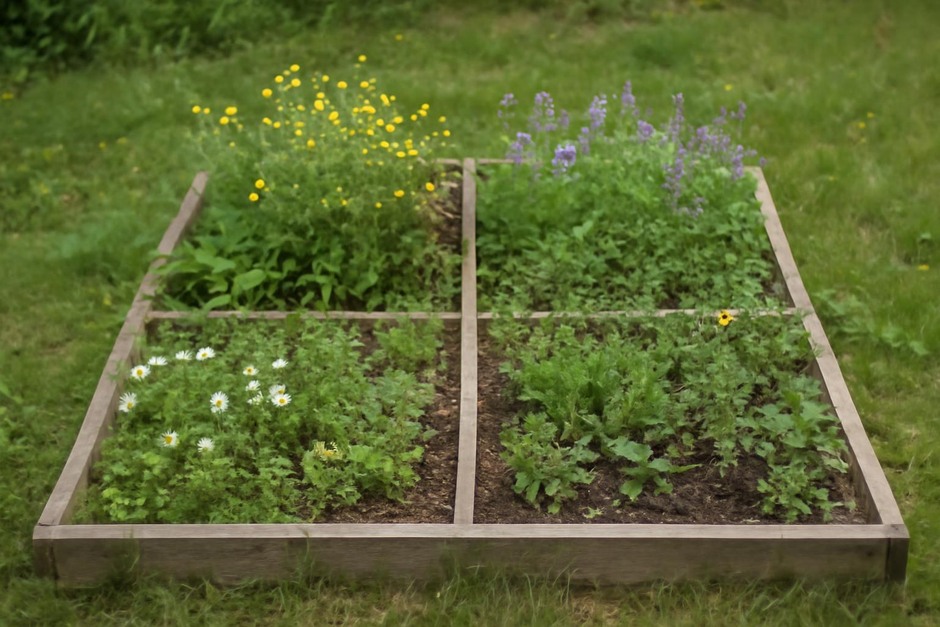
One Square Meter: A Simple Weekly Patch-Journal Method for Observing Nature
A step-by-step field method for observing and recording changes in a single square-metre patch of ground. Includes photo setup, notes template, variations for balconies and winter, and troubleshooting common problems.
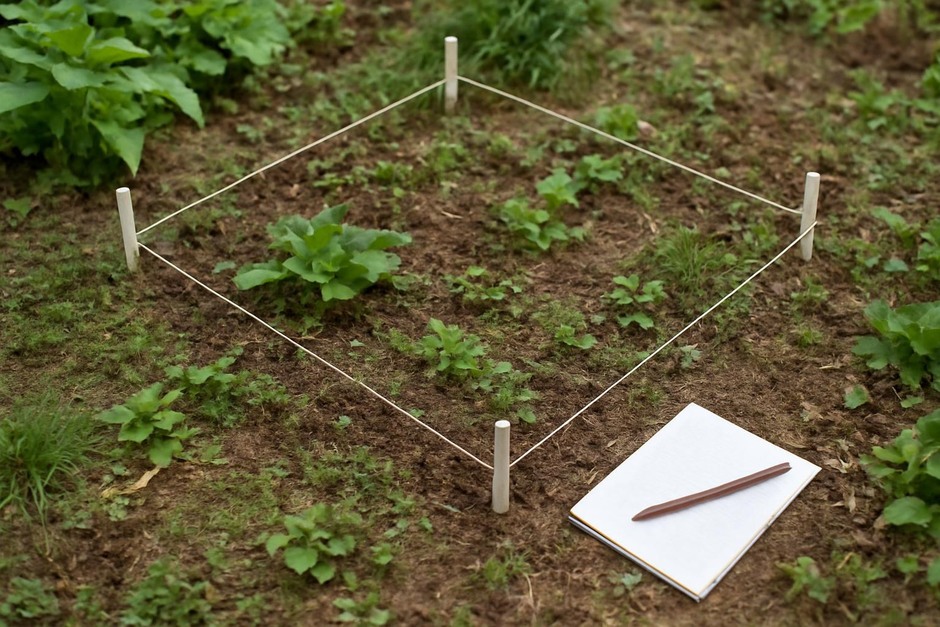
This method turns a tiny, fixed patch—one square metre—into a reliable laboratory for noticing seasonal, behavioral, and ecological change. It is designed for regular short visits: clear, repeatable, and gentle on the place you study. Over weeks and months the accumulation of simple observations yields a deep sense of how a site lives and responds.
Step-by-step method
- Choose and mark your patch. Pick an accessible, safe square of ground about 1 × 1 metre. It can be lawn, a border, a paved crack, a balcony planter, or a patch beside a path. Mark the corners subtly: short stakes, stones, or adhesive markers beneath mulch. Aim for low-impact, removable markers.
- Set a fixed viewing point. Decide where you will take a photograph and make notes from—this keeps perspective consistent. Mark a stone or single plant as your camera anchor or use a small tripod position. Record the distance and height (e.g., 30 cm above center, 1 m back) in your notebook.
- Gather simple tools. You need: a small notebook or ruled index card, a pen, a phone or camera, a magnifier (10× pocket loupe), a ruler or tape, and optionally a thermometer or soil probe. Keep them in a small pouch near the patch.
- Pick a rhythm. Visit weekly if you can. Same day and time each week is best for light and temperature consistency—late morning in summer, midday in winter, for example. If weekly is too frequent, every two weeks still yields good results.
- Start with context notes (1–2 minutes). Record date, time, recent weather (rain, frost, heat), temperature if you have it, and a short line about recent disturbance (mowing, foot traffic, pets). These contextual details make later comparisons meaningful.
- Photograph from your fixed point (1 minute). Take one straight, framed shot of the whole square. If you can, take a close-up of any feature of interest (a flower, fungus, insect). Keep file names or note numbers keyed to your notebook date.
- Do a slow visual sweep (3–5 minutes). Scan the patch in quadrants. For each quadrant note: standing plants and approximate cover (%), notable flowers or fruits, fungi, leaf damage, insect activity, animal signs (tracks, droppings), and bare soil areas. A short bulleted list is enough.
- Measure or count when useful (1–2 minutes). If something is changing—seedlings appearing, a plant growing—measure a stem or count individuals. Record numbers rather than impressions when possible (e.g., “14 dandelion rosettes, center NE”).
- Record a sensory note (15–30 seconds). Jot one sensory observation: scent (earthy, sweet), sound (bee hum), or tactile quality (soggy, crusted). Sensory notes help recall conditions beyond what a photo shows.
- Close with a question or micro-hypothesis (15–30 seconds). End each visit by writing one brief question or hypothesis to test next time: “Are the seedlings shaded enough to survive?” or “Is moss spreading after the heavy rains?” These keep observation purposeful.
Variations
- Balcony or container patch. Use a 1 × 1 metre visual grid taped to a wooden board or mat. Anchor plants in pots within the grid and photograph from a fixed chair or tripod height.
- Urban pavement crack. If soil is sparse, focus on species presence, position, and substrate (concrete, mortar). Expect slower floral change—track germination and seedling survival instead.
- Seasonal intensification. During spring or a target phenophase, visit twice weekly for short bursts to capture rapid change (flower opening, insect emergence). In winter, monthly visits can suffice with a focus on structure and persistence.
- Collaborative patch. Share the site with family or neighbors by using an agreed notebook or online file and a simple checklist. Combine notes weekly to model different observers’ perspectives.
- Photo-only record. For minimal note-taking, keep the weekly photos with date-stamped filenames and a short caption. You’ll still capture a valuable visual time series.
Troubleshooting
- Patch disturbed or removed. If gardening, construction, or pets change the area, relocate the patch or treat the disturbance as part of the record. Note what changed and why; disturbance is ecological information.
- Inconsistent photos. If light and angle vary, make a simple frame for your camera point—two stakes and a crossbar or a fixed mat—so perspective remains comparable.
- Forgetfulness or fatigue. Keep visits short (10 minutes) and pack your kit so there’s minimal setup. If you miss a week, resume without guilt; irregular gaps still produce useful data over months.
- No obvious changes. Slow change is information. Note that things are stable and look for subtle cues like seed drop, residue, or soil compaction that indicate hidden dynamics.
- Ethical concerns. Avoid digging or removing organisms unless you have permission and a clear reason. Observe with curiosity, not extraction. If you must handle plants or animals (for ID), return them promptly and gently.
Over time, a small, consistently observed patch becomes a condensed record of place: phenology, species interactions, human impact, and microclimate. The method above keeps the work manageable and repeatable, so observation remains a pleasure rather than a chore.